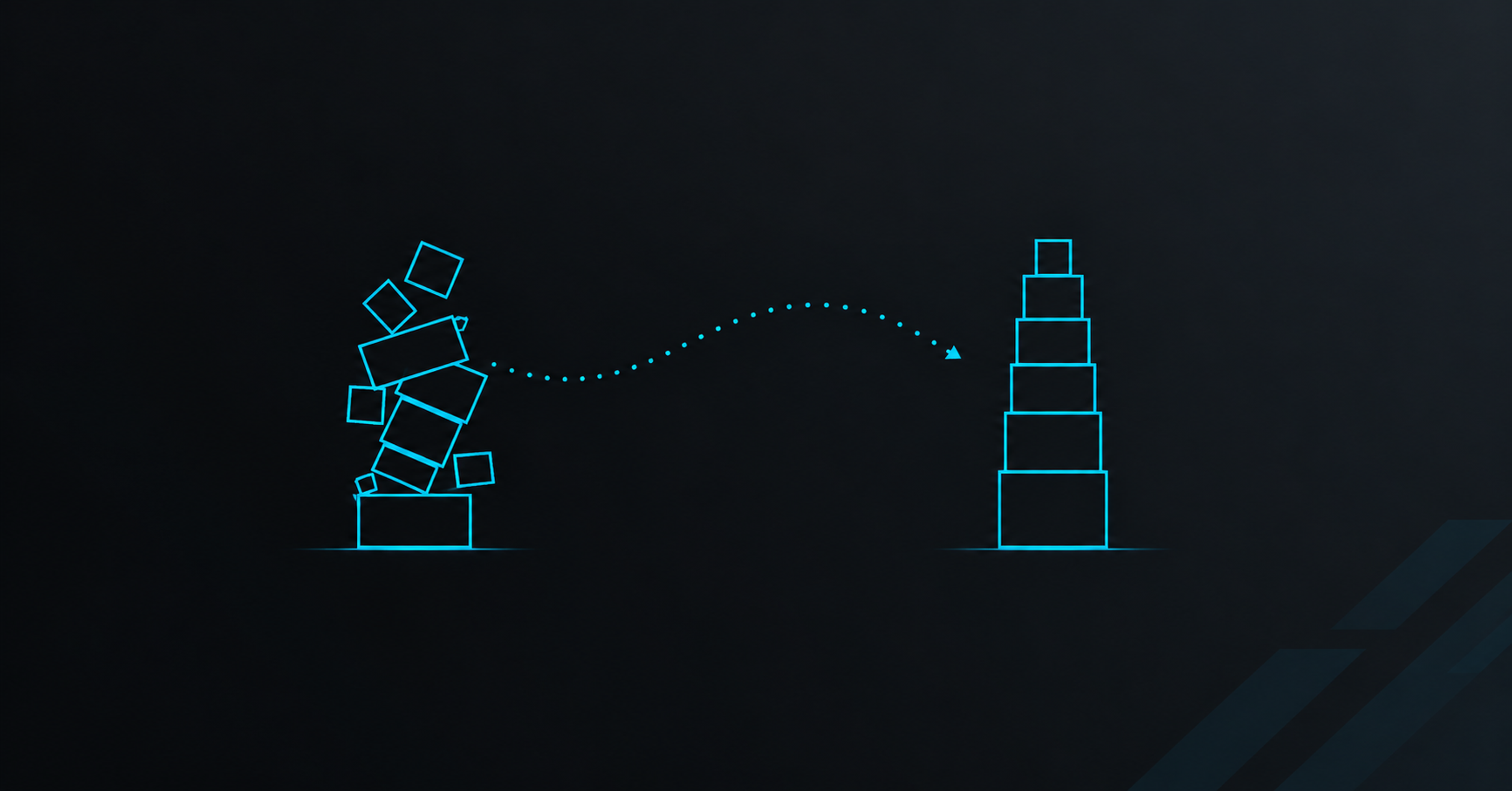

When an organization decides it's time for a new website, there's usually one quiet fear sitting underneath the excitement: what happens to everything already built?
For Research Enterprise Systems (RES), a pan-African research and policy organization, that fear was real, and justified. Their existing site had been built by a different developer, and it showed. It was slow, increasingly unreliable, visibly behind the times, the kind of system that works until the day it suddenly doesn't. Years of real institutional output sat on top of it: dozens of published articles, policy briefs, opinion pieces, staff profiles, partner relationships, downloadable reports that researchers across the continent had come to rely on.
RES came to us to take it over.
The easy path, the one a lot of agencies take when inheriting someone else's system, is to build something new and let the old content fend for itself. It's faster. It's simpler. And it quietly erases years of an organization's credibility in the process, every article a researcher once cited, every staff bio, every partner testimonial, gone or left behind on a dying system.
We didn't take that path.
Why Migration Matters As Much As The Rebuild
A new website isn't a new coat of paint, it's a new foundation. And when you move a foundation, especially one someone else poured, everything standing on it has to move with it, carefully, or it doesn't survive the trip. So alongside designing and building a faster, more secure site, we treated the migration itself as the core of the project, not an afterthought at the end. That meant going through the old system piece by piece: every article, every staff photo and biography, every partner testimonial, every downloadable report, confirming each one made the journey intact.
The result: over eighty real publications carried across with nothing lost. A full team directory preserved with accurate roles and photos. Genuine partner testimonials kept exactly as written. Every downloadable document still sitting exactly where people expect to find it. Nothing recreated from scratch. Nothing quietly dropped because it was inconvenient to move.
A System Built To Last, And To Be Owned
Beyond the migration, the new site gave RES something the old one never had: the ability for their own team to publish new content, articles, updates, staff changes, without a developer involved every time. They own their content now, on a foundation built to actually hold up.
Your History Isn't The Risk. Losing It Quietly Is.
Most organizations don't fail at choosing a new system. They fail at trusting their history will survive the move, and that fear keeps good organizations stuck on crumbling platforms years longer than they should be, often with the developer who built the fragile version still holding the keys.
If your organization is sitting on a website you've outgrown, check one thing first: ask whoever manages it right now exactly how many pieces of content, articles, staff bios, reports, would need to move if you left. If nobody has a clear number, that's the real risk, not the rebuild itself.
That's the problem we solve. Get in touch at sulaimandev.tech.